Living Culture
Newari Festival Calendar
Patan's festivals are not performances for tourists — they are living traditions that fill the streets with music, colour and devotion throughout the year.
Highlight Festival
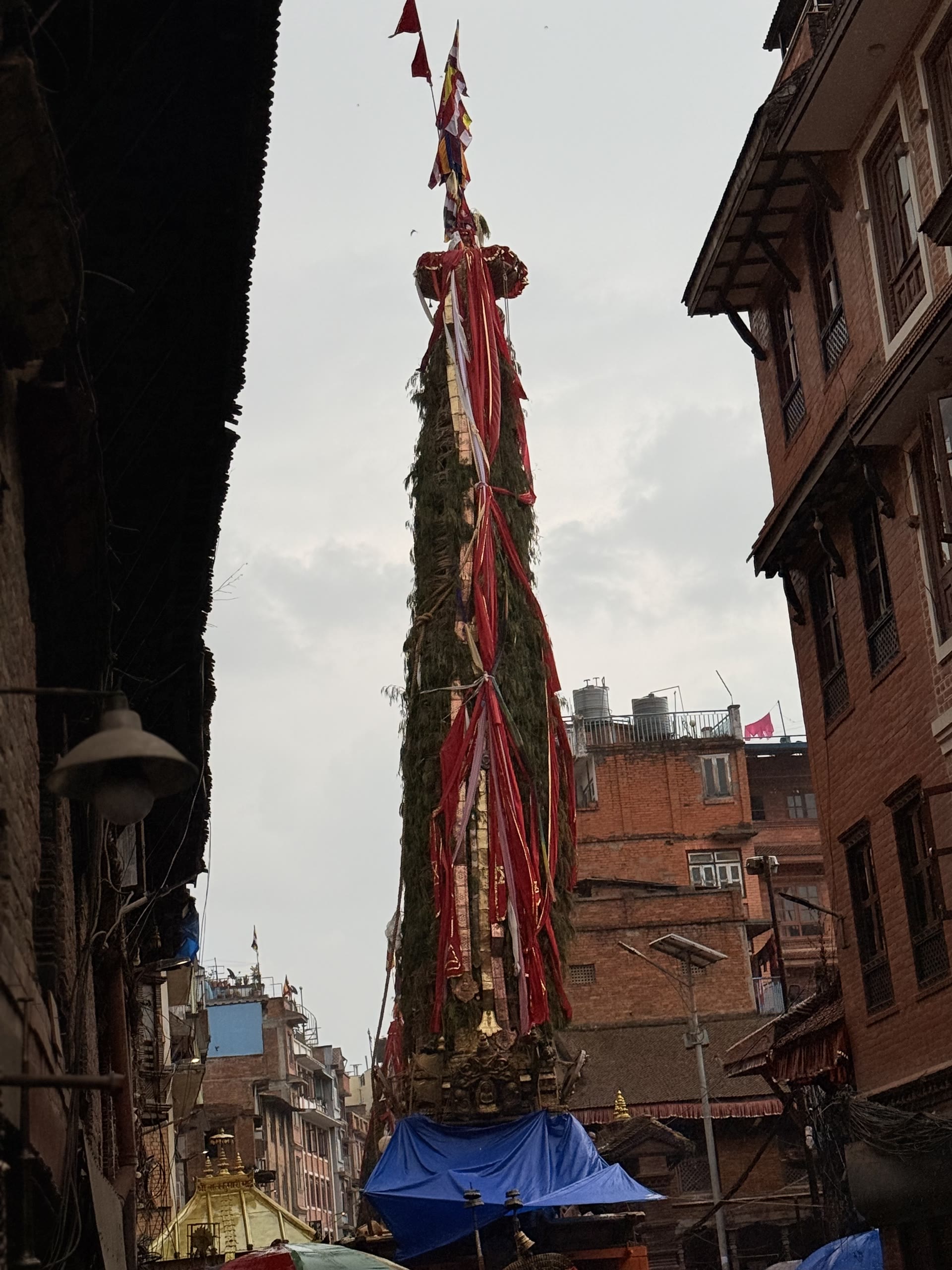
Machindranath Jatra — the World's Longest Chariot Festival
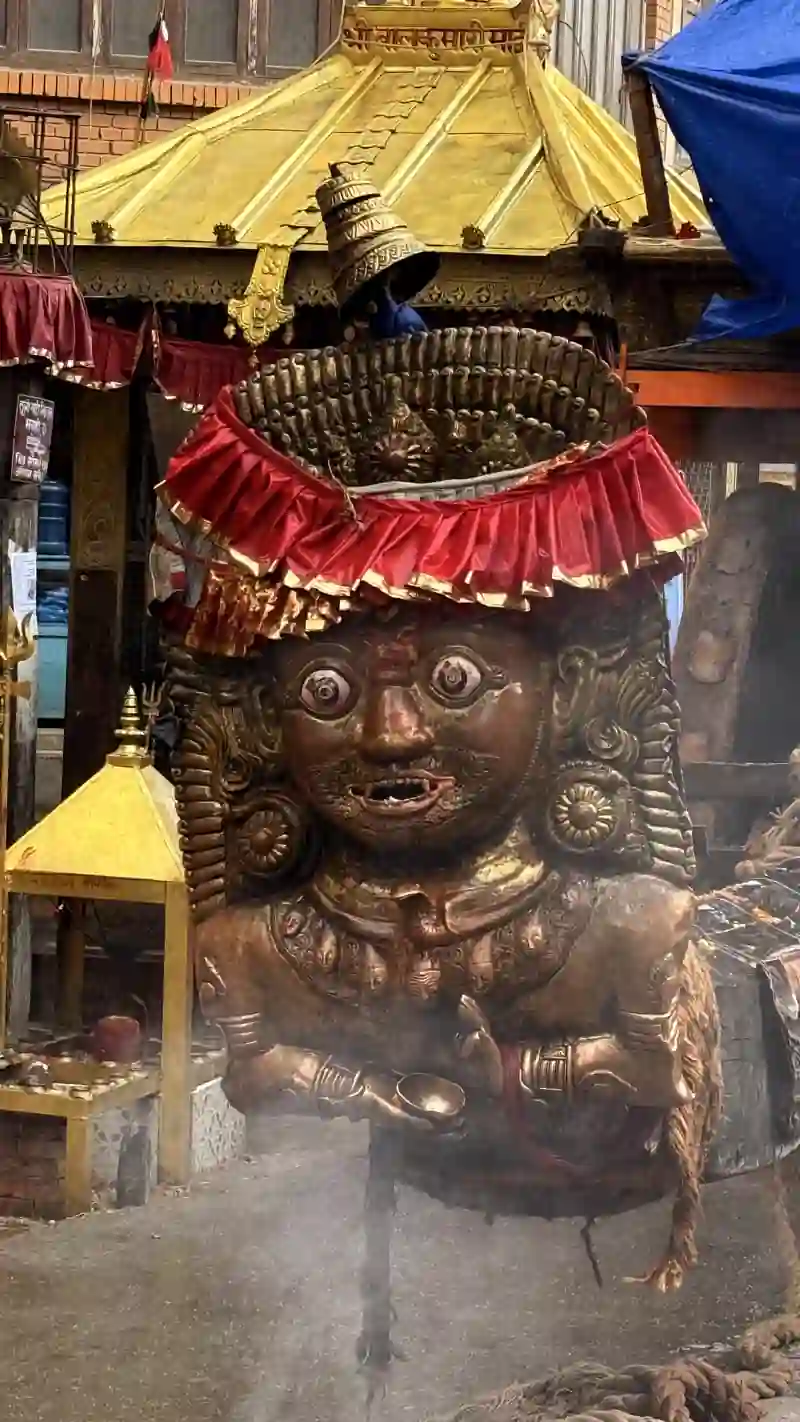
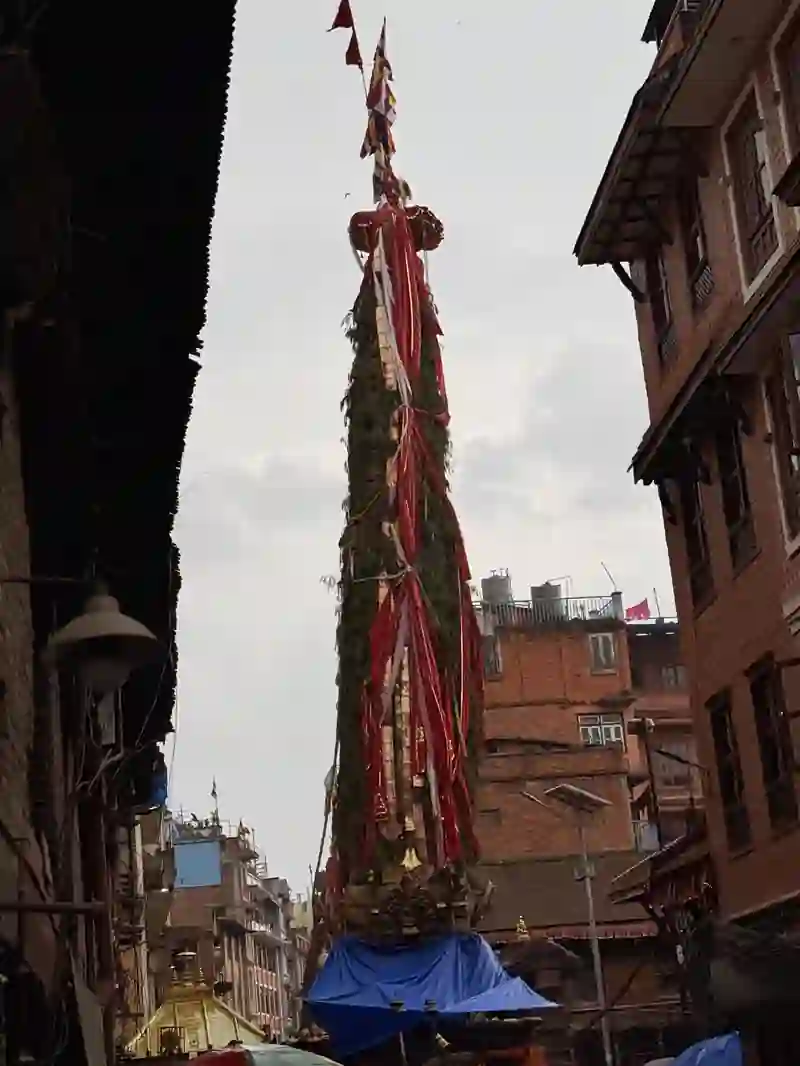
Every spring, Patan builds an enormous wooden chariot by hand and slowly pulls it through the city's ancient lanes over a month or more. The chariot is a several-storey tower, constructed without nails, and the procession is accompanied by music, offerings and thousands of devotees lining the route.
- Usually April – June (dates follow the lunar calendar each year)
- The route passes through Saugal Tole — steps from Badri Homes
- Ask us the day before — we always know the exact schedule
Jan – Feb
Maghe Sankranti
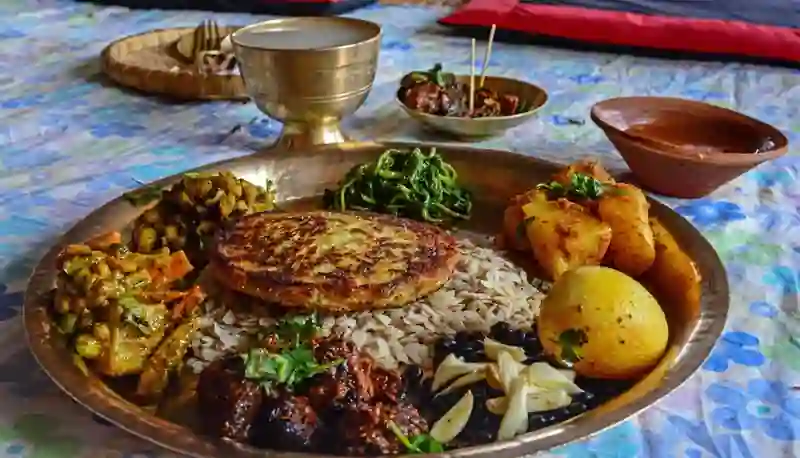
The Newari mid-winter festival — families gather, eat yam and sesame sweets, and bathe in sacred rivers at dawn to mark the sun's return northward.
Feb – Mar
Holi
Streets erupt with coloured powder and water. Durbar Square becomes an open-air celebration — arrive with clothes you don't mind ruining.
Apr – Jun
Machindranath Jatra
The great chariot festival of Patan — weeks of street processions, devotional music and offerings passing through the old city lanes.
August
Janai Purnima & Gai Jatra
Sacred thread ceremony at Kumbheshwar temple, followed by the cow festival where families who lost relatives lead processions honouring the deceased.
Aug – Sep
Indra Jatra
The rain god's festival — the Living Goddess Kumari is carried through Kathmandu in a chariot and the entire valley celebrates for eight days.
Oct – Nov
Dashain & Tihar
Nepal's two biggest festivals back to back. Dashain reunites families across the country; Tihar lights every home and street with oil lamps for five luminous nights.